
Effects of carbon equivalent in Welding
Welding is a crucial process in various industries, including construction, manufacturing, and automotive. It involves joining two or more metal
Effects of carbon equivalent in Welding Read More »
Welding is a crucial process in various industries, including construction, manufacturing, and automotive. It involves joining two or more metal
Effects of carbon equivalent in Welding Read More »

Stress Relief in Welding Stress relief in welding is a post-weld heat treatment (PWHT) process used to relieve the residual
Stress Relief in Welding Read More »
What is Tungsten Color? Tungsten is a chemical element with the symbol ”W” and atomic number ”74”. It is a
What Color is Tungsten? Get the Answer Here by Chart! Read More »

Hot rolling and cold rolling are two of the most commonly used methods for shaping metal sheets or strips. While
Hot rolling vs Cold rolling Read More »

What are the Differences Between Ferrous and Non-Ferrous Metals? The basic difference between Ferrous and non-ferrous metals is that ferrous
Ferrous and Non-Ferrous Metal Read More »
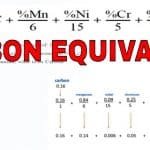
What is Carbon equivalent in welding? The Carbon Equivalent or also called the C.E. is a measurement of weldability factors for ferrous
Carbon Equivalent for steel, low alloy, C-Mn steel and cast iron Read More »
What is Brazing? When comparing Brazing vs Braze Welding, Both Brazing & Braze Welding are joining processes having three distinct
Brazing vs Braze Welding Read More »
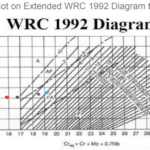
WRC-1992 Constitute Diagram and its Uses WRC-1992 diagram solves many of the problems faced by the Schaeffler and DeLong diagrams.
WRC-1992 Diagram & application of WRC diagram Explained Read More »
Titanium vs Stainless Steel Titanium and stainless steel are two popular materials that are widely used in various industries, including
Titanium vs Stainless Steel Read More »
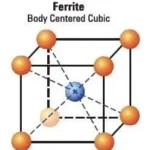
What is Ferrite in in Steel Materials? Ferrite is a term commonly used in the field of metallurgy, but many
What is Ferrite in Steel Materials? Read More »